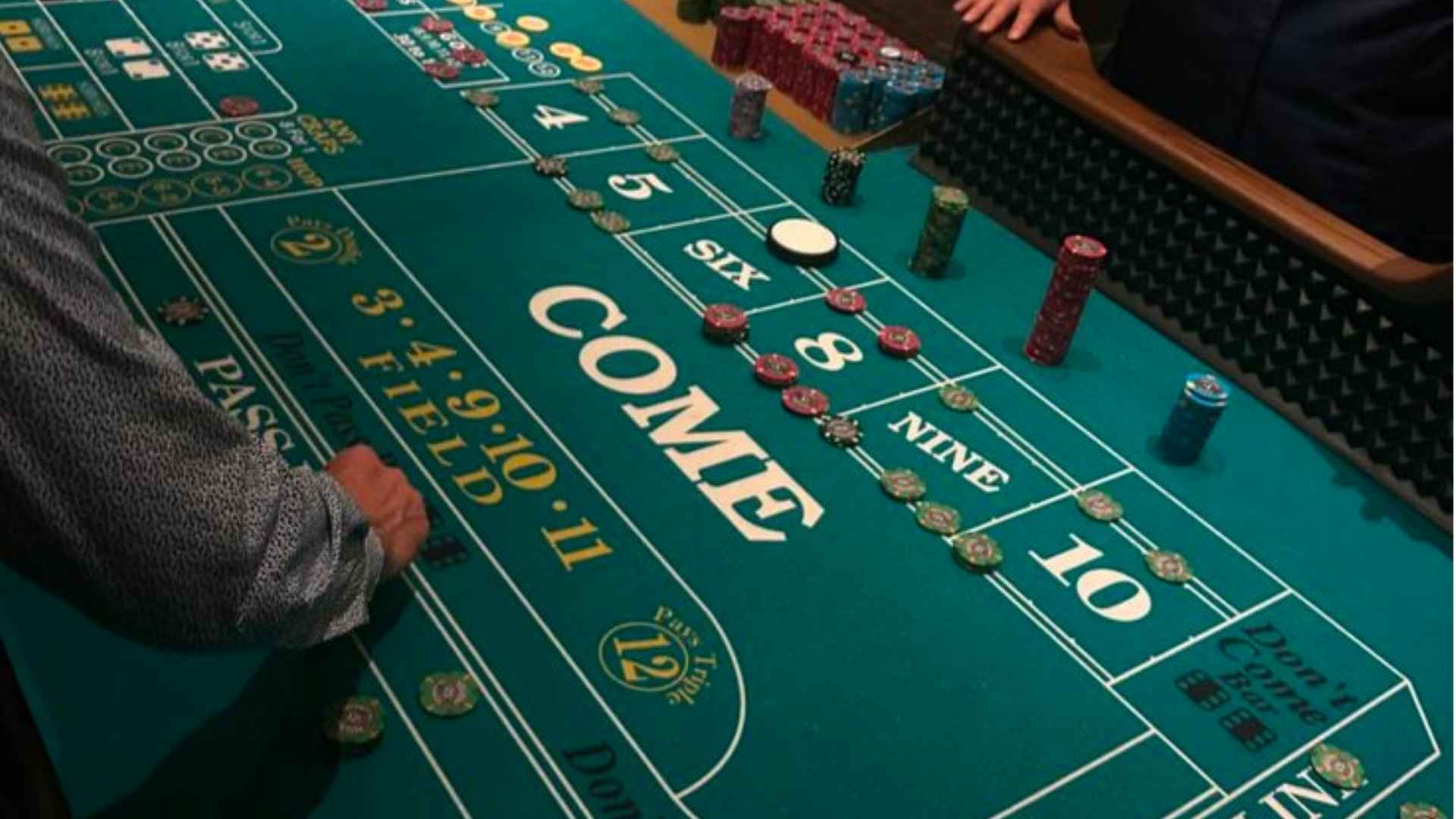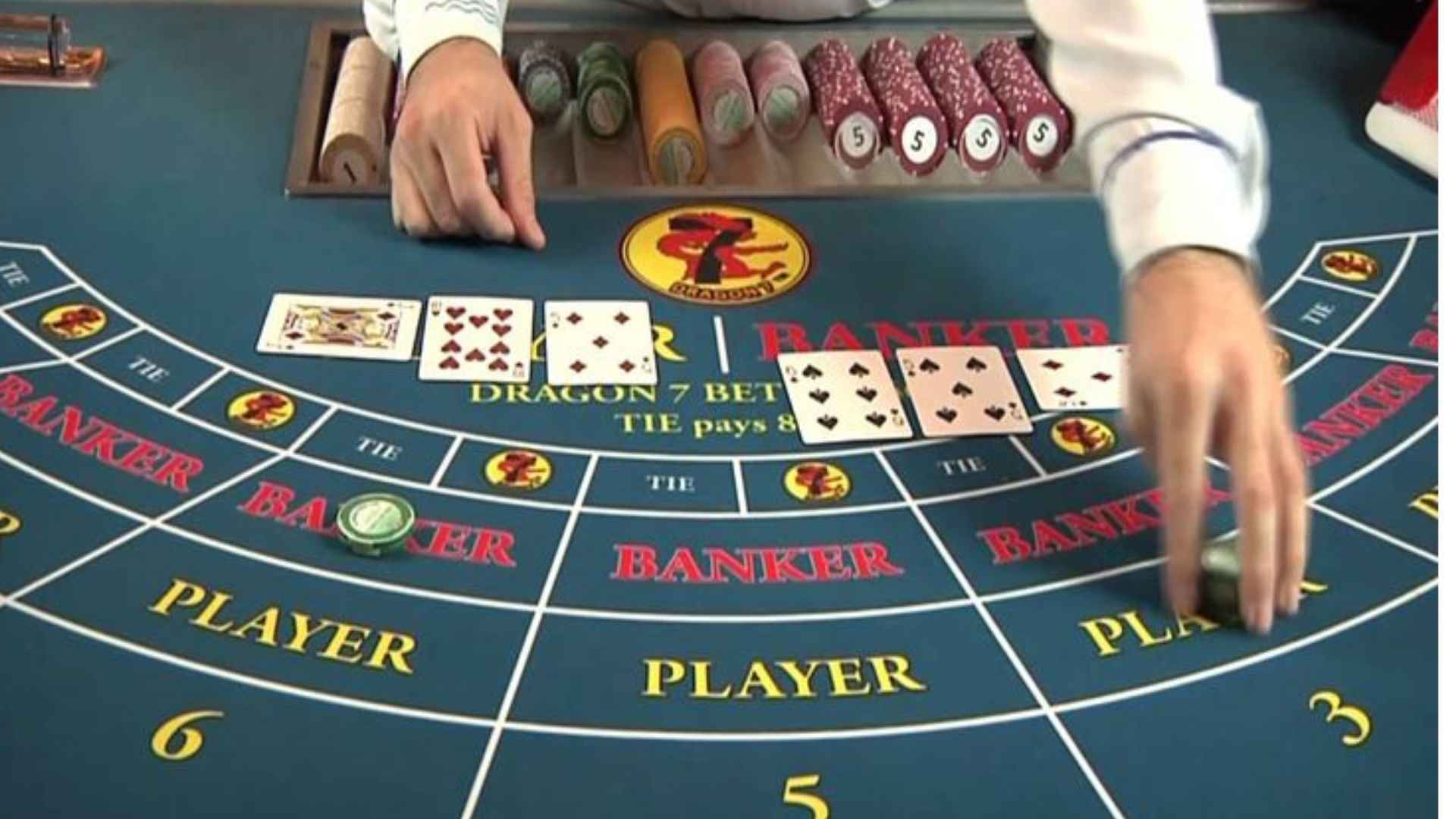
Making choices in gaming often feels like the primary driver of engagement, yet many participants actively seek out moments where outcomes are left entirely to chance. Delegating control to a random generator or an unpredictable mechanic introduces a unique psychological shift during gameplay. Instead of analyzing every potential route, individuals often discover that letting pure randomness dictate the path ahead creates a distinct form of relief and excitement.
Mitigating the Burden of Decision Fatigue
Constant strategic planning can lead to mental exhaustion, especially during extended gaming sessions where every move carries consequences. When players choose to rely on randomized outcomes, they effectively bypass the cognitive load associated with evaluating options. This brief intermission from intense decision-making allows individuals to refresh their focus without disconnecting from the activity entirely.
Furthermore, removing personal calculation shifts the responsibility of the outcome away from the individual player. If a random event leads to an unfavorable result, it feels far less disappointing than making an explicit strategic error. This safety net encourages players to explore unpredictable scenarios with greater peace of mind.
The Emotional Rush of Unpredictable Outcomes
Random choices introduce genuine element of surprise that deliberate, calculated actions rarely replicate. Human psychology naturally responds to unexpected developments, releasing heightened levels of curiosity and engagement whenever a unpredictable result manifests. The sheer anticipation of seeing what fate delivers creates a compelling dynamic that keeps interactive experiences lively.
Many modern gaming environments integrate these elements to offer varied dynamic experiences. Gamers seeking reliable access to diverse entertainment platforms frequently consult a trusted m88 link to explore games designed with engaging probabilistic systems. These platforms demonstrate how chance mechanics can transform routine sessions into memorable events.
Encouraging Unconventional Playstyles
When individuals make personal choices, they tend to default to familiar strategies and comfortable routines. Random selection mechanisms force players out of these established habits by presenting scenarios they would not normally choose for themselves. Adapting to unexpected conditions fosters creativity and problem-solving skills in real time.
This forced variety prevents gameplay from becoming overly formulaic or predictable over time. Overcoming unexpected challenges generated by chance provides a deeper sense of accomplishment, as players must demonstrate flexibility rather than simple memorization of ideal paths.
Creating Universal Fairness in Group Settings
In multiplayer or social contexts, personal decisions can sometimes spark debate or feelings of bias among participants. Allowing an impartial random generator to determine choices guarantees equal standing for everyone involved. Since no single person influences the result, group harmony is maintained regardless of the final outcome.
Ultimately, preferring random choices over personal decisions is not about avoiding engagement, but enriching it. Balancing deliberate strategy with unpredictable chance ensures that gaming remains dynamic, entertaining, and stress-free for all types of participants.